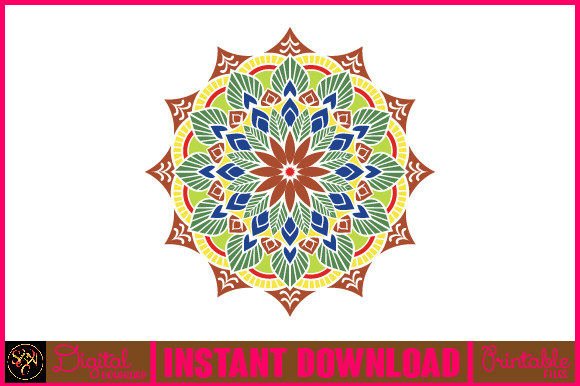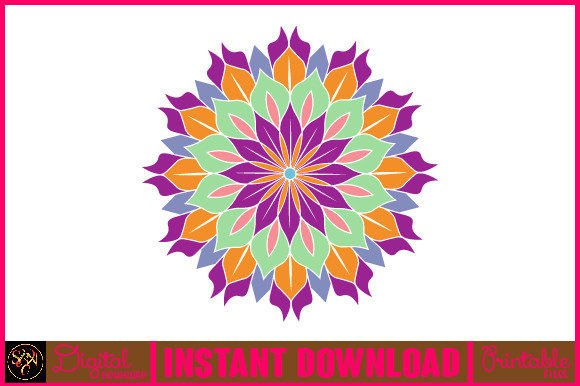
Mandala 3D Layered SVG Cut File-84: A Versatile Design for Creative Projects
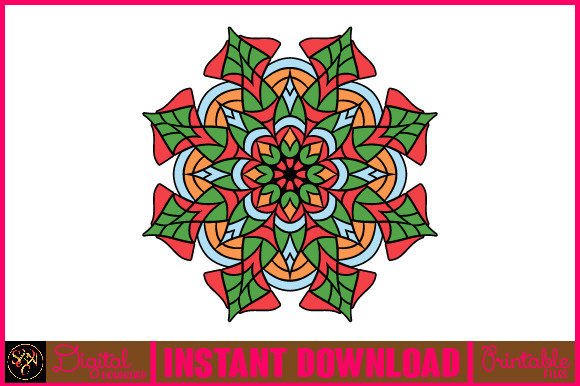
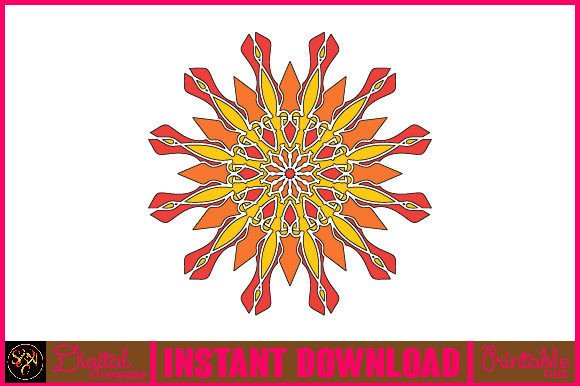
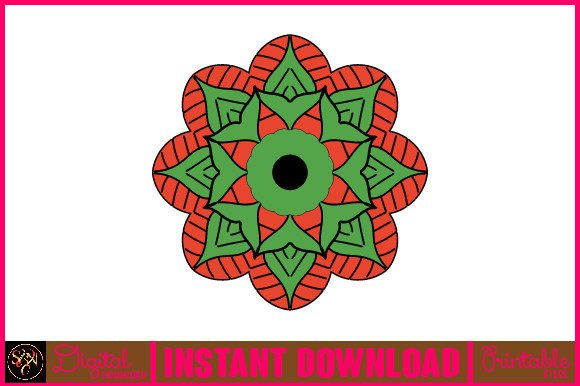
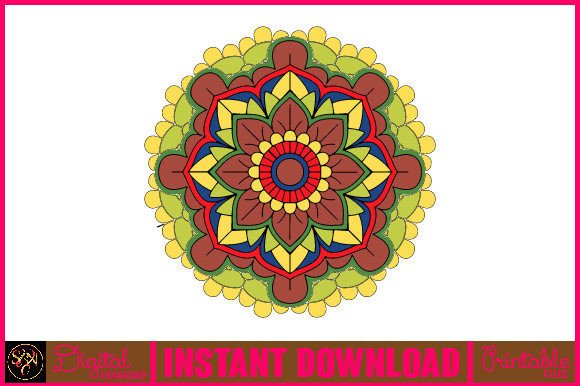
The Mandala 3D Layered SVG Cut File-84 is a stunning digital design that offers both visual appeal and practical functionality. This hand-drawn, colorful mandala features intricate tribal ornaments and an ornamental layout that makes it ideal for a wide range of printing and crafting applications. Whether you're a hobbyist looking to personalize your belongings or a professional designer aiming to elevate your branding materials, this file provides a ready-to-print solution with multiple formats included for flexibility.
What Is the Mandala 3D Layered SVG Cut File-84?
This digital product is more than just a decorative image—it's a layered design file optimized for precision cutting and printing. The SVG format allows for clean scalability, making it perfect for use on various surfaces and sizes. Alongside the SVG, you’ll receive an EPS file for vector editing, plus JPG and PNG files for quick print-ready use. These formats are compatible with most graphic design software and cutting machines, giving you full creative control over how you apply the design.
Why Choose This Mandala Design?
- High-quality visuals: The mandala is rich in color and detail, designed to stand out on any medium.
- Multiple uses: From clothing items like t-shirts and hoodies to promotional materials such as flyers and social media banners, this design adapts well.
- Instant download: All files come in a ZIP package, ensuring you get everything you need right away without delays.
- Customization-friendly: With layers, you can adjust elements of the design to suit your preferences or project requirements.
Common Mistakes When Using Mandala 3D Layered SVG Cut File-84
While the Mandala 3D Layered SVG Cut File-84 is user-friendly, there are some common pitfalls users may encounter—especially those new to working with vector graphics or digital cut files.
Overlooking File Compatibility
A frequent mistake is assuming all devices and software support SVG files. While SVG is widely used, not every cutting machine or printer handles it seamlessly. Before starting your project, double-check that your tools are compatible with SVG and EPS formats. If unsure, test the file on a small scale first to ensure it performs as expected.
Ignoring Layer Structure
The “layered” aspect of this SVG file is one of its strongest features. However, many users either don’t utilize the layers properly or accidentally flatten them before using the design. Flattening can make individual elements difficult to edit or separate, especially if you’re planning to customize colors or add text. Always open the file in a program that supports layers, such as Adobe Illustrator or Inkscape, to maintain control over each part of the design.
Using the Wrong Image Format for Printing
Another common issue arises when users select the wrong file type for their intended use. For example, using a transparent PNG for fabric printing might result in unexpected white outlines or misprints. Always match the file type to the project: use the JPG for solid backgrounds, the PNG for transparency, and the SVG/EPS for editable and scalable designs.
How These Mistakes Can Impact Your Results
Making these errors can lead to wasted time, materials, and even money. Poor compatibility may require you to convert the file manually, which could introduce quality issues. Ignoring layer structure limits your ability to tailor the design, potentially leading to a final product that doesn't meet your expectations. And choosing the wrong image format can compromise the clarity and appearance of your printed item, especially at larger sizes or on textured surfaces.
For instance, imagine creating a custom canvas bag for a local event. If you mistakenly use a low-resolution JPG instead of the high-res SVG, the pattern may appear pixelated or distorted after printing. Or consider designing a T-shirt with the mandala and failing to check layer separations—you might end up with overlapping colors that look unprofessional.
Check Software and Machine Requirements
Before downloading the Mandala 3D Layered SVG Cut File-84, confirm that your design or cutting software supports layered SVGs. Programs like Cricut Design Space, Silhouette Studio, or Adobe Illustrator are excellent choices. Also, ensure your printer or heat press is set up correctly for the chosen file type—especially when dealing with transparent PNGs or CMYK color profiles for professional prints.
Understand Layer Management
If you want to modify specific parts of the mandala, such as changing the color of the central circle or removing certain tribal patterns, keep the layers intact. Open the file in a vector editor and explore the layers panel. You’ll find that each element is organized separately, allowing you to tweak individual components without affecting the rest of the design.
Select the Right File Type for the Job
Here’s a simple guide to help you choose the correct file based on your needs:
- SVG/EPS: Best for cutting machines (Cricut, Silhouette) and for editing in design software.
- JPG: Ideal for printing on dark-colored fabrics or as a background image for posters.
- PNG: Perfect for light-colored materials where a transparent background is desired.
Always preview your design in the correct context. For example, if you're making a mug, simulate the design placement on a round surface before sending it to print.
Realistic Examples of Successful Use
Let’s take a look at how different users have successfully applied this design:
- Entrepreneurs: A boutique owner created a line of custom hoodies using the PNG file for sublimation printing. By carefully aligning the design and using the layered SVG to adjust placement, they achieved a premium look that boosted sales by 30%.
- Marketers: A fitness brand used the mandala as a social media banner. They edited the EPS file to incorporate their logo and color scheme, resulting in a cohesive and eye-catching header that improved brand recognition.
- Hobbyists: A DIY enthusiast applied the design to a set of notebooks and phone cases using vinyl cutters. The layered SVG allowed them to remove specific elements and reposition others, creating personalized gifts that were well-received by friends and family.
What to Check Before Using the Mandala 3D Layered SVG Cut File-84
To maximize the potential of this design, consider the following checklist before proceeding:
- Software compatibility: Ensure your design tool supports layered SVG files.
- Printer settings: Adjust resolution and color mode according to the material you're printing on.
- Design intent: Think about whether you want to keep the original colors or plan to recolor elements.
- File organization: Keep all versions of the design backed up and labeled clearly to avoid confusion.
- Testing phase: Print a sample on a less expensive material before committing to large-scale production.
By taking these steps, you'll reduce the risk of errors and increase the chances of achieving a professional-looking result.
Conclusion
The Mandala 3D Layered SVG Cut File-84 is a powerful resource for anyone interested in crafting, branding, or personalizing products. Its layered nature and multi-format delivery offer both flexibility and precision. However, to truly benefit from this design, it's essential to understand the nuances of file types, layer management, and application best practices.
Whether you're creating merchandise for your business, designing promotional materials, or simply looking to add a touch of artistry to your everyday items, this mandala is a valuable addition to your toolkit. Just be mindful of the common mistakes and follow the practical advice outlined above to ensure your final product looks as stunning as the original design.
If you have any questions or need assistance with your project, feel free to reach out. Happy creating!