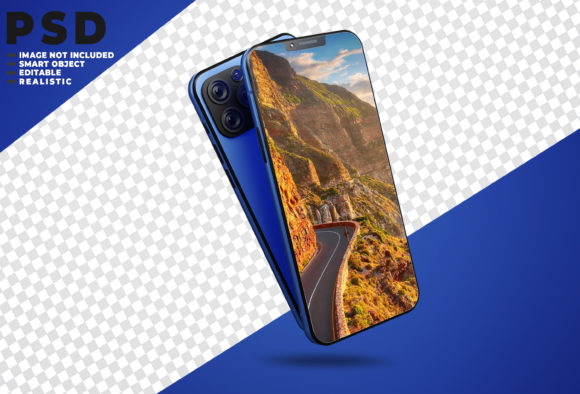
3D Smartphone Mockup: A Strategic Tool for Visual Storytelling and Marketing
As a creator, marketer, or entrepreneur, your ability to present products in the most compelling way can significantly influence customer decisions. Enter the 3D Smartphone Mockup, a powerful design tool that allows you to showcase digital content—such as artwork, canvas prints, and photos—in a realistic and engaging context. Whether you're running an online shop, managing a blog, or promoting on social media, this mockup offers a practical solution to elevate your visual communication strategy.
What Is a 3D Smartphone Mockup?
A 3D Smartphone Mockup is a Photoshop PSD file designed to simulate how an image will appear when displayed on a smartphone screen. These files are typically layered, allowing designers to insert their own visuals into smart object layers. The result is a photorealistic preview of how your product might look in real life, helping viewers better visualize its value and application.
The mockup format is especially useful because it supports images of any size or ratio. When you place your artwork into the smart object layer, the frame automatically adjusts to fit the dimensions of your image, ensuring that the final composition looks polished and professional without requiring manual resizing or cropping.
Strategic Use in Branding and Marketing
In today’s competitive market, standing out requires more than just good design—it demands intentional presentation. A 3D Smartphone Mockup enables you to do exactly that by placing your work in a familiar device context. This approach helps bridge the gap between digital content and real-world usage, making it easier for potential customers to imagine how your product fits into their lives.
- Online Shops: Use the mockup to display your artwork or photo prints on a phone screen, giving buyers a clear idea of how the image would look on mobile devices or tablets they already use.
- Blogs and Websites: Incorporate the mockup into portfolio pages or featured sections to highlight your creative output with a modern, tech-savvy aesthetic.
- Social Media: Share mockups across platforms like Instagram, Pinterest, or Facebook to create visually appealing posts that drive engagement and conversions.
By using a 3D Smartphone Mockup, you’re not just showing your product—you’re demonstrating how it enhances user experience in everyday scenarios. That subtle shift can make all the difference in converting interest into action.
How to Use It Effectively
Using a 3D Smartphone Mockup is straightforward, but the effectiveness depends on thoughtful execution. Here's a step-by-step guide to get started:
- Open the PSD file in Adobe Photoshop.
- Locate the smart object layer (usually labeled clearly).
- Double-click the smart object thumbnail to open it in a new window.
- Insert your artwork, canvas print, or photo into the smart object window.
- Save the changes and watch as the main document updates automatically.
This process ensures that your image adapts perfectly to the mockup’s proportions, maintaining clarity and visual integrity. But before you start placing images, consider these planning tips:
- Define the purpose of each mockup—product promotion, portfolio presentation, or branding exercise.
- Choose high-resolution images that reflect the quality of your work.
- Experiment with different lighting and angles within the mockup to find the most authentic representation.
Real-World Applications and Examples
Let’s explore a few practical examples where a 3D Smartphone Mockup adds strategic value:
Example 1: E-commerce Product Display
If you sell digital art or canvas prints, displaying them in a 3D Smartphone Mockup gives customers a tangible sense of what they’re purchasing. For instance, a landscape photograph placed inside a mockup could be shown as it would appear on a phone wallpaper or tablet background, increasing perceived utility and encouraging sales.
Example 2: Bloggers and Content Creators
Bloggers who focus on home decor or interior design can leverage this tool to show how digital artwork integrates into a living space. By placing a painting or poster in a smartphone mockup, readers can imagine how the piece looks on a wall or in a room layout app, adding depth to your storytelling.
Example 3: Social Media Campaigns
For social media marketers, the 3D Smartphone Mockup serves as a quick and effective way to generate attention-grabbing visuals. You can showcase a client’s logo on a mobile app interface or demonstrate how a website redesign looks on a handheld device. This method increases relatability and relevance, which are key to successful digital campaigns.
Planning for Long-Term Value
To maximize the impact of a 3D Smartphone Mockup, it’s essential to align its use with broader business goals. Consider the following strategies:
- Consistency: Integrate the mockup into a consistent brand language. Use the same style, color scheme, and positioning across all marketing materials to reinforce brand recognition.
- Content Variety: Don’t limit yourself to one type of image. Test how different artworks or product variations look within the mockup to identify the most appealing combinations.
- Contextual Relevance: Choose mockup styles that match your audience’s expectations. A minimalist design may suit a lifestyle blog, while a vibrant, dynamic mockup could appeal to a tech startup.
When used strategically, a 3D Smartphone Mockup isn’t just a one-time graphic—it becomes part of your ongoing content creation toolkit. Think about how you can reuse it across multiple projects, such as promotional emails, landing pages, or case studies.
When Not to Rely on It
While a 3D Smartphone Mockup is a valuable asset, it’s not always the best choice. There are situations where it may not add significant value or could even mislead your audience:
- If your target audience primarily uses desktops or laptops, the smartphone context may not resonate.
- When showcasing large-format prints, such as murals or oversized canvases, a smartphone mockup may not accurately represent scale.
- If the mockup feels generic or poorly integrated into your overall design, it can dilute your message rather than enhance it.
Before relying on a 3D Smartphone Mockup, ask yourself whether it aligns with your specific objectives. If the answer is unclear, take time to test it with a small audience or compare it against other presentation methods.
Enhancing Creativity and Productivity
One of the most overlooked benefits of a 3D Smartphone Mockup is its role in streamlining your workflow. Instead of manually creating mockups from scratch, you can quickly generate high-quality visuals using pre-built templates. This saves time and reduces the need for advanced 3D modeling skills, enabling faster iteration and more frequent content updates.
Moreover, the mockup encourages experimentation. Since the smart object layer is easy to replace, you can try various compositions, color schemes, and image types without starting over. This flexibility supports both creativity and productivity, making it ideal for professionals juggling multiple projects.
Risks of Using Without Clear Goals
Like any tool, a 3D Smartphone Mockup carries risks if used without a defined purpose. One common pitfall is using it randomly to fill visual gaps, which can lead to inconsistent messaging and reduced credibility. Another issue arises when the mockup overshadows the actual product being showcased, diverting attention away from the core offering.
To avoid these issues, establish clear guidelines for when and how to use the mockup. Ask questions like:
- What message am I trying to convey?
- Who is the intended audience?
- Does the mockup support my brand identity or contradict it?
Answering these upfront can help you maintain control over your visual strategy and ensure every use of the mockup contributes meaningfully to your goals.
Decision-Making Guidance for Creators and Marketers
Here are some actionable insights to guide your use of 3D Smartphone Mockups:
- Use it early: Incorporate the mockup into your initial design reviews to get stakeholder feedback on how your product looks in real-life contexts.
- Track performance: If you're using the mockup for marketing, analyze metrics like click-through rates or conversion data to assess its impact.
- Pair with other tools: Combine the mockup with A/B testing software to determine the most effective visual presentation for your audience.
- Stay adaptable: Update the mockup regularly to keep your content fresh and aligned with evolving trends or product offerings.
These steps help turn a simple design element into a strategic asset. They also ensure that your use of the 3D Smartphone Mockup remains purposeful and outcome-driven.
Learning and Growth Opportunities
For educators and freelancers, a 3D Smartphone Mockup can serve as a learning tool. It introduces students or clients to the concept of contextual design, helping them understand how digital content translates into real-world applications. Tutorials using the mockup can teach everything from basic Photoshop techniques to advanced marketing strategies related to visual perception and consumer behavior.
Additionally, using the mockup across multiple projects can help you refine your taste and technical skills. Over time, you’ll develop a better sense of how lighting, perspective, and framing affect the viewer’s perception of your work.
Branding and Customer Experience
From a branding perspective, the 3D Smartphone Mockup helps build trust and familiarity. Seeing your product in a realistic setting—even a simulated one—can increase perceived quality and desirability. Customers are more likely to engage with content they can easily relate to, and the mockup makes that connection intuitive.
Consider using it in customer testimonials or case study presentations. For example, a testimonial video could include a screenshot of the product being viewed on a phone, reinforcing the authenticity of the user experience. In this way, the mockup supports both branding and customer-centric communication.
Operational Integration and Workflow Optimization
Integrating the 3D Smartphone Mockup into your operations doesn’t have to be complex. Start by identifying repetitive tasks in your workflow where it can provide efficiency gains. For instance:
- Automate image placement for bulk product uploads by using batch processing in Photoshop.
- Standardize mockup settings to maintain uniformity across all digital assets.
- Create a library of mockups tailored to different product categories or marketing themes for easy access.
These optimizations allow you to maintain consistency while reducing manual effort, which is especially important for small businesses and solo creators with limited resources.
Conclusion: Make It Part of Your Design Strategy
The 3D Smartphone Mockup is more than just a design tool—it’s a strategic resource that enhances decision-making, improves communication, and elevates your visual storytelling. When used thoughtfully, it can position your work more effectively, streamline your workflow, and improve customer engagement.
Whether you're a blogger, marketer, artist, or small business owner, taking the time to plan and execute your use of the mockup will yield long-term results. Avoid using it haphazardly; instead, integrate it into your broader content and branding strategy to ensure maximum impact.
So next time you need to showcase your latest creation, consider how a 3D Smartphone Mockup can help you tell a more compelling story. With its ease of use and adaptability, it’s a must-have for anyone looking to stay ahead in the visual economy.